

[Soft drinks & Health science]
Kirin Holdings Elucidates the Mechanism by Which Lacticaseibacillus paracasei KW3110 Induces Immunoregulatory IL‑12 Production in Human Dendritic Cells
- CSV
- Research and Technology
April 8, 2026
Kirin Holdings Company, Limited
TOKYO, April 8, 2026 – Kirin Holdings Company, Limited (Kirin Holdings) has elucidated how the lactic acid bacterium Lacticaseibacillus paracasei KW3110 (hereinafter “L. paracasei KW3110”*1) acts in human dendritic cells.
This study demonstrated a molecular mechanism by which L. paracasei KW3110 is taken up by dendritic cells*2, a type of human immune cell, and how intracellular recognition of KW3110‑derived RNA*3 induces the production of interleukin‑12 (IL‑12)*4, a cytokine*5 involved in counterbalancing Type 2 inflammation*6, which underlies allergic reactions such as hay fever. Through these findings, new scientific insights were obtained into how L. paracasei KW3110 contributes to immune responses in human dendritic cells.
The results of this research are scheduled to be published as a scientific paper in International Archives of Allergy and Immunology*7
*1 International Archives of Allergy and Immunology. 2004;135:205–215
*2 A type of immune cell that engulfs foreign substances that have invaded the body and is involved in activating the immune response.
*3 A molecule involved in the transmission of genetic information within cells.
*4 A type of cytokine that suppresses allergic reactions caused by Type 2 inflammation.
*5 A signaling molecule involved in immune responses.
*6 A type of allergic inflammation.
*7 International Archives of Allergy and Immunology | Karger Publishers
According to the “Hay Fever Survey 2026” conducted by Weathernews Inc., more than one in two respondents reported having hay fever*8. In recent years, symptoms such as sneezing, runny nose, and nasal congestion caused by hay fever (seasonal allergic rhinitis) have significantly disrupted daily life. The impact on quality of life (QOL) is particularly severe*9, and hay fever is increasingly being recognized as a social issue.
Allergic reactions such as hay fever are closely associated with immune cells like Th2 cells, which trigger Type 2 inflammation. Allergic symptoms occur when these cells elicit excessive inflammatory responses to substances such as pollen, dust mites, and house dust, making it essential to prevent the exacerbation of Type 2 inflammation.
Kirin has conducted experiments to compare the release levels of cytokines that suppress Type 2 inflammation, such as interleukin 12 (IL 12), between the lactic acid bacterium L. paracasei KW3110 and lactic acid bacteria derived from commercially available yogurt. The results confirmed that L. paracasei KW3110 has a superior ability to induce the production of cytokines that suppress Type 2 inflammation compared with other lactic acid bacteria (Figure 1). In addition, clinical trials have confirmed that L. paracasei KW3110 alleviates mild to moderate hay fever symptoms*10.
-
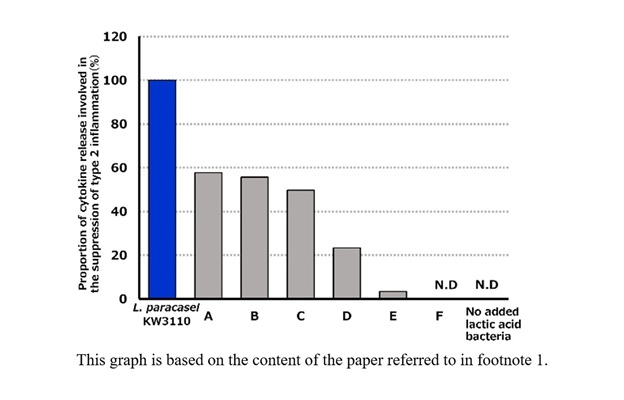
Figure 1. Proportion of type 2 inflammation-suppressing cytokines released by immune cells stimulated with various lactic acid bacteria
Against this background, this study was conducted to elucidate the mechanism of action.
The study clarified part of the mechanism by which Lacticaseibacillus paracasei KW3110 is taken up by human dendritic cells, leading to intracellular recognition of KW3110‑derived RNA and subsequent induction of IL‑12 production. These findings deepen our molecular‑level understanding of why L. paracasei KW3110 can alleviate symptoms of allergic rhinitis, such as hay fever, even when the bacteria are heat‑killed, and they are expected to contribute to enhancing the value of this material in future applications.
*8 Weathernews Inc., “Hay Fever Survey 2026” https://jp.weathernews.com/news/54854/
*9 Ministry of Health, Labour and Welfare For Appropriate Hay Fever Treatment https://www.mhlw.go.jp/new-info/kobetu/kenkou/ryumachi/dl/kafun_chiryo.pdf
*10 Lacticaseibacillus paracasei KW3110 Confirmed to Alleviate Mild to Moderate Hay Fever Symptoms | 2025 | KIRIN - Kirin Holdings Company, Limited
Research Findings (Summary)
L. paracasei KW3110 was shown to act on dendritic cells, a type of human immune cell, and to induce the production of interleukin‑12 (IL‑12), a cytokine that suppresses allergic reactions mediated by Type 2 inflammation. It was confirmed that L. paracasei KW3110 exerts its function after being taken up by dendritic cells and is recognized intracellularly rather than on the cell surface.
Furthermore, single‑stranded RNA derived from L. paracasei KW3110 was found to play a critical role in the induction of IL‑12 production. This RNA is recognized via Toll‑like receptor 8 (TLR8) within dendritic cells, thereby promoting IL‑12 production. In addition, when compared with RNA derived from Lacticaseibacillus rhamnosus GG (LGG®), a lactic acid bacterium that has been extensively studied for its anti‑allergic effects in humans, RNA derived from L. paracasei KW3110 was confirmed to induce IL‑12 production more strongly in human dendritic cells.
-
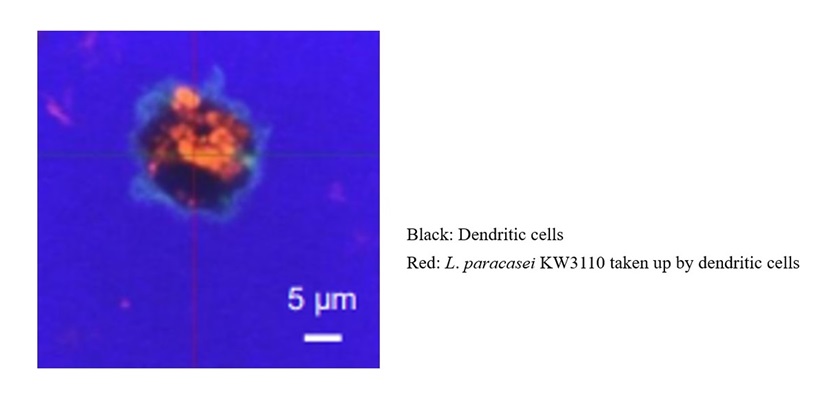
Figure 2. Uptake of L. paracasei KW3110 by dendritic cells
-
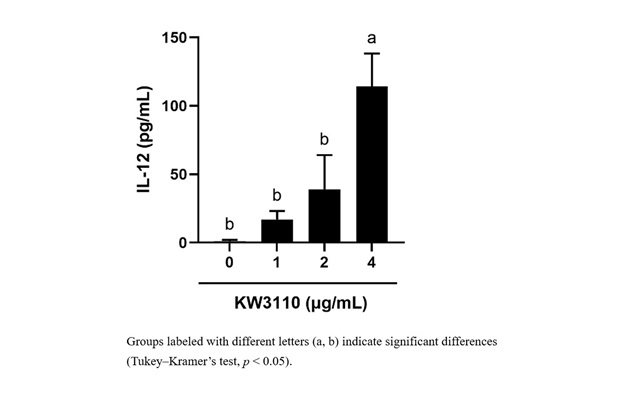
Figure 3. Dose-dependent induction of IL-12 production by L. paracasei KW3110 in dendritic cells
-
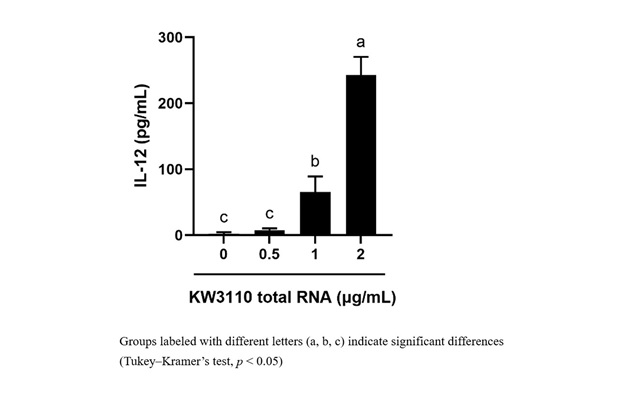
Figure 4. Dose-dependent induction of IL-12 production by RNA derived from L. paracasei KW3110
-
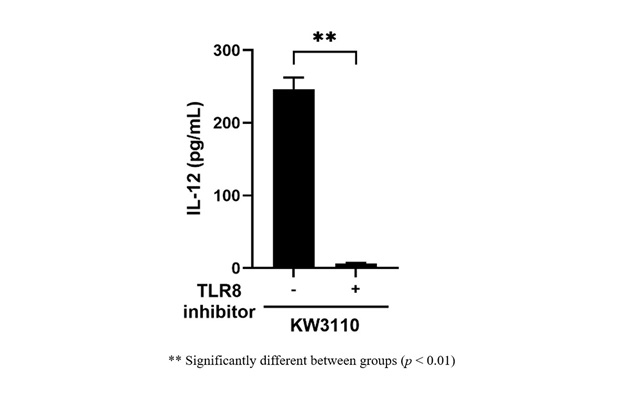
Figure 5. Role of TLR8 in the induction of IL-12 production
-
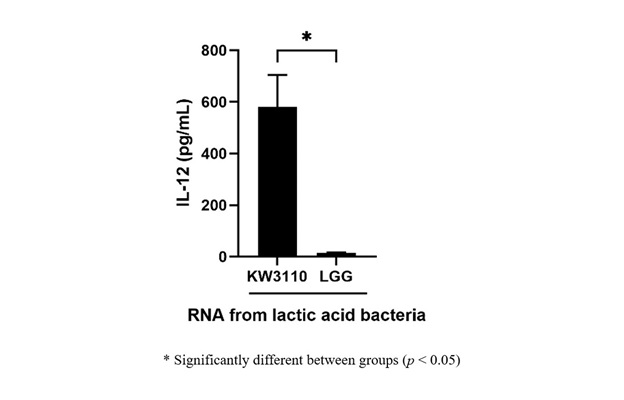
Figure 6. Comparison of IL-12 production between RNA derived from L. paracasei KW3110 and RNA derived from LGG
Implications
These research findings elucidate part of the mechanism underlying the anti‑allergic effects of L. paracasei KW3110 in human dendritic cells. In this study, RNA derived from L. paracasei KW3110 was shown to induce interleukin‑12 (IL‑12) production through recognition by the intracellular receptor Toll‑like receptor 8 (TLR8). This provides a scientific explanation for why L. paracasei KW3110 can exert its effects even in a non‑viable (heat‑killed) form.
Furthermore, by demonstrating the mechanism underlying the anti‑allergic effects of L. paracasei KW3110 using human dendritic cells, these findings strengthen the scientific basis for lactic acid bacteria–based approaches to addressing symptoms of allergic rhinitis, such as hay fever.
Future Outlook
Through continued research on L. paracasei KW3110, we aim to contribute to addressing health challenges by alleviating declines in quality of life associated with allergic symptoms, including hay fever.
About Kirin Holdings
Kirin Holdings Company, Limited is a global company operating across three core business domains spanning Alcoholic Beverages, Non-alcoholic Beverages & Health Science, and Pharmaceuticals. The company traces its roots to Japan Brewery, established in 1885, which later became Kirin Brewery in 1907. Since then, Kirin has expanded its business operations by leveraging fermentation and biotechnology as core strengths. The company entered the pharmaceutical field in the 1980s, which has since grown into a global business. In 2007, the company transitioned to a pure holding company structure as Kirin Holdings, and it is now strengthening its Non-alcoholic Beverages & Health Science domain.
Under its long-term vision “Innovate2035!”, the Kirin Group is focused on creating value that encourage behavioral change among consumers and patients, creating new lifestyle habits in the areas of food and health. With a unique business portfolio spanning Alcoholic Beverages, Non-alcoholic Beverages & Health Science, and Pharmaceuticals, the Group will further expand group-wide initiatives that support both mental and physical well-being.
The Kirin Group will continue to advance innovation through the combined strength of its people and technology, creating both social and economic value as a global leader in CSV*, while pursuing sustainable, long-term growth in corporate value.
*Creating Shared Value: combined added value for consumers as well as for society at large.
Mechanism underlying the immunomodulatory activity of L.paracasei KW3110 in human dendritic cells
About Lacticaseibacillus paracasei KW3110
L. paracasei KW3110 is a lactic acid bacterium discovered through joint research conducted by Kirin and Koiwai Dairy Products Company, Limited from among more than 100 strains. This strain has been studied for its potential to support immune balance and was originally isolated from cheese as a strain of Lacticaseibacillus paracasei.
Background and Objectives
Hay fever (seasonal allergic rhinitis) affects more than 40% of the population and has become a serious social issue due to its significant impact on quality of life (QOL). In addition to symptoms such as sneezing, runny nose, and nasal congestion, hay fever is associated with sleep disturbances, reduced concentration, and limitations on outdoor activities.
Hay fever is caused by excessive immune responses to allergens such as cedar and cypress pollen, house dust, and dust mites, and Type 2 inflammation mediated by immune cells, including Th2 cells, is thought to play an important role in its pathogenesis. Kirin has previously demonstrated through clinical trials that L. paracasei KW3110, which induces the production of interleukin‑12 (IL‑12), a cytokine that suppresses Type 2 inflammation, alleviates symptoms of allergic rhinitis, including hay fever.
In this study, to elucidate the molecular mechanisms by which L. paracasei KW3110 acts on the human immune system at the cellular level, we conducted experiments using dendritic cells isolated from human peripheral blood mononuclear cells (PBMCs).
Research Result 1: Induction of IL-12 production in human dendritic cells
This study confirmed that L. paracasei KW3110 induces IL-12 production in human dendritic cells in a dose-dependent manner (Figure 1).
-
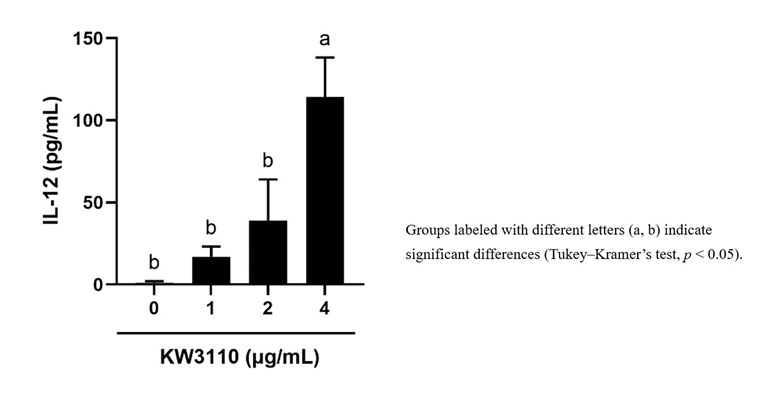
Figure 1. Dose-dependent induction of IL-12 production by L. paracasei KW3110 in dendritic cells
Research Result 2: Uptake by dendritic cells is essential for the induction of IL-12 production
Confocal microscopy confirmed that L. paracasei KW3110 is taken up by human dendritic cells (Figure 2, left). Inhibition of this uptake abolished the induction of IL-12 production (Figure 2, right), indicating that recognition and uptake of L. paracasei KW3110 by dendritic cells are essential for IL-12 production.
-
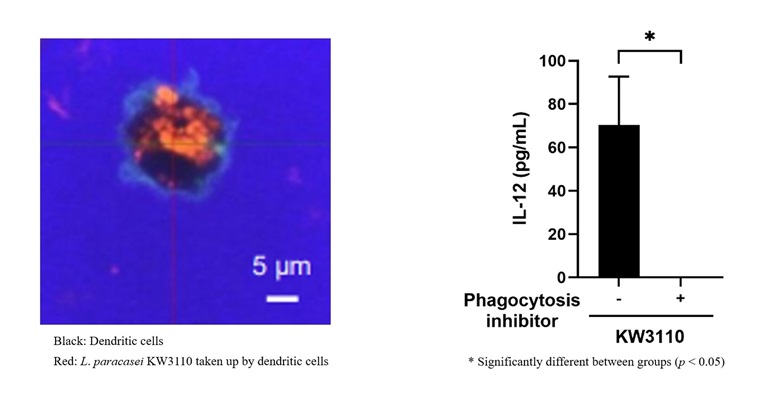
Figure 2. Effects of uptake by human dendritic cells and inhibition of uptake on the induction of IL-12 production
Research Result 3: RNA derived from L. paracasei KW3110 induces IL-12 production via TLR8
RNA derived from L. paracasei KW3110 was shown to induce IL-12 production in human dendritic cells (Figure 3, left). In contrast, selective inhibition of Toll-like receptor 8 (TLR8), which recognizes single-stranded RNA, abolished IL-12 induction by L. paracasei KW3110. These results indicate that RNA derived from L. paracasei KW3110 is recognized via TLR8 within dendritic cells, thereby promoting IL-12 production (Figure 3, right).
-
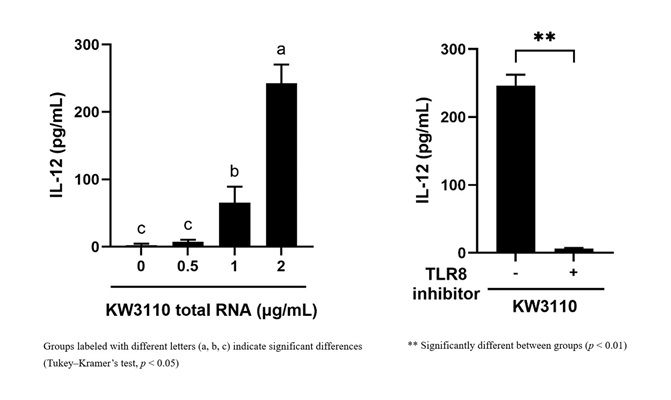
Figure 3. Involvement of RNA derived from L. paracasei KW3110 and TLR8 in the induction of IL-12 production
Research Result 4: RNA derived from L. paracasei KW3110 induces higher levels of IL-12 production than RNA derived from LGG
In human dendritic cells, RNA derived from L. paracasei KW3110 induced higher levels of IL-12 production compared with RNA derived from LGG, a lactic acid bacterium that has been extensively studied for its anti-allergic effects in humans (Figure 4).
-
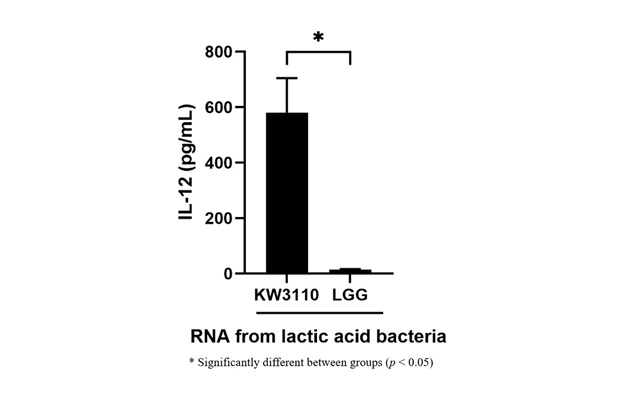
Figure 4. Comparison of IL-12 production between RNA derived from L. paracasei KW3110 and RNA derived from LGG
GALLERY
-
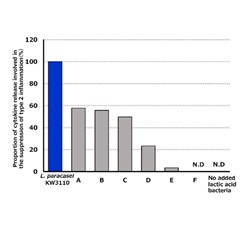
Figure 1. Proportion of type 2 inflammation-suppressing cytokines released by immune cells stimulated with various lactic acid ba teria
-
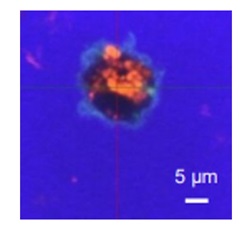
Figure 2. Uptake of L. paracasei KW3110 by dendritic cells
-
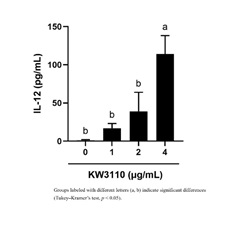
Figure 3. Dose-dependent induction of IL-12 production by L. paracasei KW3110 in dendritic cells
-
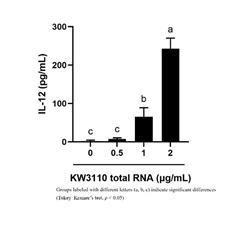
Figure 4. Dose-dependent induction of IL-12 production by RNA derived from L. paracasei KW3110
-
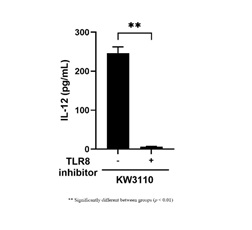
Figure 5. Role of TLR8 in the induction of IL-12 production
-
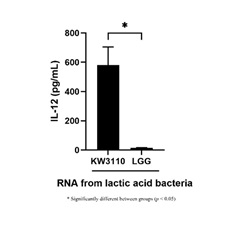
Figure 6. Comparison of IL-12 activity between RNA derived from L. paracasei KW3110 and RNA derived from LGG
-
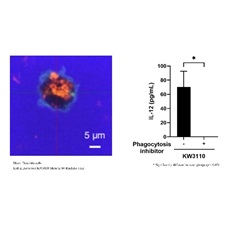
Attachmen Figure 2. Effects of uptake by human dendritic cells and inhibition of uptake on the induction of IL-12 production
-
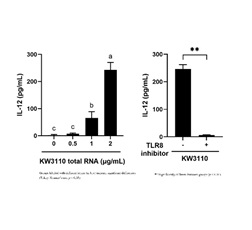
Attachment Figure 3. Involvement of RNA derived from L. paracasei KW3110 and TLR8 in the induction of IL-12 production